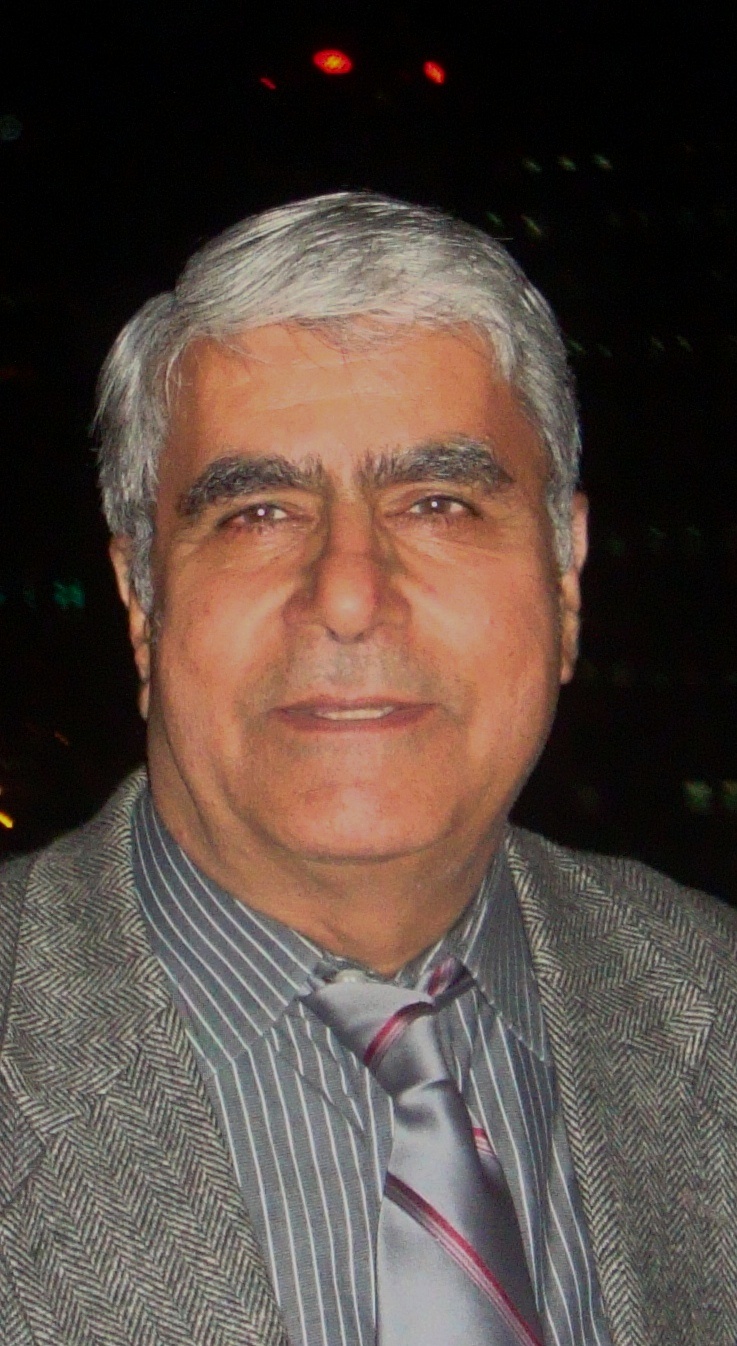
Saeed R. Khan, PhD
Professor; Director, Center for the Study of Lithiasis and Pathological Calcification
|
|
Dept. of Pathology, Immunology and Laboratory Medicine |
Primary Area of Research:
My laboratory is involved in examining all aspects of the Kidney Stone Disease using in vitro tissue culture and in vivo laboratory rat models. During development of the disease urinary oxalate is increased and renal epithelial cells come in contact with abnormally high levels of oxalate and calcium oxalate crystals resulting in localized injury and inflammation. Expression of immediate early genes is induced. Production of urinary macromolecules such as osteopontin and bikunin is increased. Cells are injured. Some go through necrosis and others become apoptotic. Crystal binding to renal epithelial cells is increased. There is evidence of oxidative stress and lipid peroxidation of cell membranes. Dead cells are sloughed off their basement membranes. Cell membrane fragments are released into the urine where they can promote further crystallization. Aggregation and retention of crystals in the renal tubules initiate the stone formation. There is upregulation and increased production of Monocyte-chemoattractant protein-1, which attracts inflammatory cells to the renal interstitium. Vitamin E and citrate appear to reduce crystal-induced oxidative stress and crystal deposition in the kidneys.
Related Links:
Oxidative Stress and Calcium Oxalate Nephrolithiasis
Dr. Peck
Oxalosis and Hyperoxaluria Foundation
Ixion-Biotech